
"Bolivia coffee market"
400 article(s) found

Introduction to the Flavor and Taste of Fine Coffee in Snow vein Manor of Bolivia
The legal capital, the seat of the Supreme Court, with a population of 284000, 2790 meters above sea level. Founded in 1538, the city was formerly known as Chuquisaka. The city witnessed the first uprising in South America against Spanish rule in 1809. Bolivia declared its independence here in 1825 and became the capital in 1826. In 1839, it was renamed Sucre to commemorate the second president of Bolivia, General Antonio Jos é Sucre.

Cultivation of Bolivian boutique coffee beans with dried almonds: a brief introduction to geographical location, climate and altitude
Bolivia not only has a unique growing environment, but also has an excellent coffee variety Typica. In the past two hundred years, the main variety of coffee in Yanggas area is the ancient Tibica. Tibica coffee has a balanced and soft flavor, with lively aroma and rich sour taste. Unfortunately, the low production of Tibika and its poor disease resistance make Bolivia's
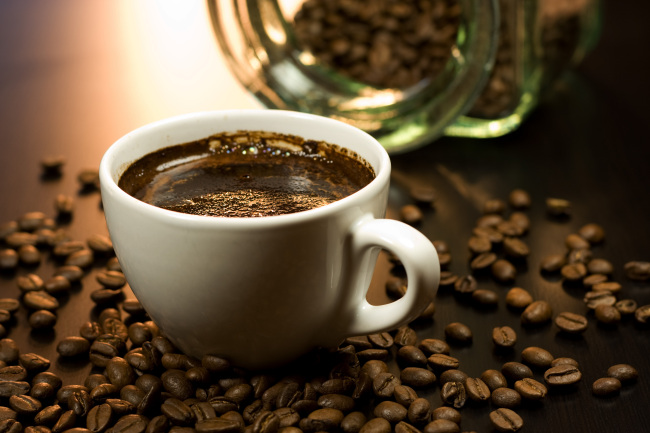
Introduction of high-quality coffee with bitter taste in Bolivian coffee manor
Bolivia was rescued from independence by Bolivar, a national hero from Caracas, Venezuela, during the War of Independence in Latin America in the 18th century, so the country was named after him. August 6, 1825 declared independence from Spain, named the Bolivarian Republic, and then changed to the present name Bolivia and Paraguay broke out in 1932 for oil resources in the North Chaco region.

Brief introduction of rich and unique treatment methods for grinding degree and baking degree of Bolivian boutique coffee beans
Bolivia has made a lot of efforts to improve the quality of coffee, stimulate the enthusiasm of coffee farmers and make coffee farmers have a deeper understanding of fine coffee. After the introduction of the COE competition, in the first COE competition held in 2004, there were 13 boutique bean cups with a total score of more than 84 points, and the champion bean score was as high as 90.44 points.

Bolivia Coffee Manor production area introduction of boutique Coffee beans Coffee Manor
Although coffee is diverse, Brazilian coffee is suitable for the taste of the public. For example, coffee produced in the northern coastal areas has a typical iodine taste, reminiscent of the sea after drinking. This coffee is exported to North America, the Middle East and Eastern Europe. Another kind of coffee that is interesting and worth looking for is washed Bahia coffee. This kind of coffee is not easy to find because Ji Mei

Introduction to boutique coffee with obvious rich flavor and taste characteristics of Bolivian coffee manor
In 1863, rich saltpetre deposits were discovered in Atacama province along the Pacific coast. In 1879, Chile sent troops to occupy the mining area, and Bolivia joined forces with Peru to wage the Pacific War with Chile. Bolivia was defeated in 1883 and ceded the saltpeter-rich Pacific coast to Chile in 1904. Bolivia lost its only coastal province, including the important port of Antofagasta, from

A brief introduction to the treatment method of grinding degree and baking degree of Bolivian boutique coffee beans with balanced taste
Bolivia has made a lot of efforts to improve the quality of coffee, stimulate the enthusiasm of coffee farmers and make coffee farmers have a deeper understanding of fine coffee. After the introduction of the COE competition, in the first COE competition held in 2004, there were 13 boutique bean cups with a total score of more than 84 points, and the champion bean score was as high as 90.44 points.

A brief introduction to the history and culture of the origin and development of Bolivian boutique coffee beans with balanced taste
Bolivia has made a lot of efforts to improve the quality of coffee, stimulate the enthusiasm of coffee farmers and make coffee farmers have a deeper understanding of fine coffee. After the introduction of the COE competition, in the first COE competition held in 2004, there were 13 boutique bean cups with a total score of more than 84 points, and the champion bean score was as high as 90.44 points.
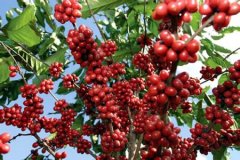
Varieties, Taste characteristics and roasting degree of Bolivian Coffee
■ Bolivia is rich in coffee beans in South America, and Bolivia is no exception. The unique tropical rain forest environment in some parts of Bolivia provides excellent natural conditions for the growth of organic coffee. The aroma of Bolivian coffee is rich and unique, whether it is the aroma of ground beans or the aroma of coffee, similar to the mixture of flower and fruit aroma.

Characteristics of flavor and aroma of fine coffee beans after washing iron in Lake Titicaca, Bolivia
Flavor: dry aromas of roasted nuts and almonds, supple fruit acidity of orange and white pomelo on the palate, sweet caramel on the whole, smooth texture of firm fruit milk, cleanliness and balance, and attractive herbal aromas. Roaster name: Dazhen Coffee Qianjie Cafe address: No. 10 Baoan Qianjie, Guangzhou contact information: 020-38364473 ingredients

The taste of Bolivian coffee with a bitter taste an introduction to the characteristics of fine coffee in the manor area.
In 1863, rich saltpetre deposits were discovered in Atacama province along the Pacific coast. In 1879, Chile sent troops to occupy the mining area, and Bolivia joined forces with Peru to wage the Pacific War with Chile. Bolivia was defeated in 1883 and ceded the saltpeter-rich Pacific coast to Chile in 1904. Bolivia lost its only coastal province, including the important port of Antofagasta, from

Bolivia drinks correctly Bolivian coffee bean price
For professional baristas, please pay attention to the coffee workshop (Wechat official account cafe_style). South America is rich in coffee beans, and Bolivia is no exception. The unique tropical rain forest environment in some parts of Bolivia provides excellent natural conditions for the growth of organic coffee. The aroma of Bolivian coffee is rich and unique, whether it is the aroma of ground beans or the aroma of coffee produced.

Suggestions on hand-flushing parameters of Titicaca Fine Coffee beans in Lake Titicaca, Bolivia
For the exchange of professional baristas, please follow the coffee workshop (Wechat official account cafe_style) in Bolivia. 15g powder, medium grinding (small Fuji ghost tooth cutter 4 grinding), v60 filter cup, 88-89 degrees water temperature, 30g water injection for the first time, steaming for 27 seconds, water injection to 105g water cut off, wait for the powder bed water to drop to half and then water injection, slow water injection until 225g water, the end section is not

Bolivia's Lake Titicaca small farmers water washing iron pica fine coffee beans cultivation geographical location
Lake Titicaca is located in Bolivia and Peru on the border of the Coyao Plateau, is South America's highest terrain, the largest area of freshwater lakes, is also one of the world's highest elevation of large freshwater lakes, or the world's highest ship navigable lake, is South America's third largest lake (after Lake Maracaibo and Patus Lagoon). Breed: Iron Pickup Producer: Kopanga

Illimani, Calanawi, Bolivia| Mamani Family Farm Organic Beans
Professional coffee knowledge exchange More coffee bean information Please pay attention to Coffee Workshop (Weixin Official Accounts cafe_style) Illimani Iimani Mountain, Calanawi Province, Bolivia| Mamani Family Farm Organic Bean Flavor? Bolivia is a landlocked country known as the ancient plateau, coffee is mainly produced in the plateau at an altitude of 1,200 2,000 meters, the main origin for the north Cara

Introduction and flavor description of organic coffee beans on Mamani Family Farm in Bolivia
Professional barista exchanges please follow the coffee workshop (Wechat official account cafe_style) Bolivia Marmani family farm organic beans Bolivia is a landlocked country known as the ancient plateau, coffee is mainly produced in the plateau 1200 ~ 2000 meters above sea level, the main producing areas are Caranavi Karanawi in the north and Santa Cruz Santa Cruz in the south, both of which are cultivated on small farms.

A brief introduction to the flavor, taste and aroma characteristics of high-grade vanilla sweet Bolivian coffee beans
The overall taste of Bolivian coffee is rich and balanced, the aroma is rich and unique, similar to the mixture of flower and fruit aroma, impressive. The perennial low temperature environment makes the coffee fruit grow slowly, compact enough, the aroma is also charming, the floral aroma is obviously medium and low acidity, but the feeling is not monotonous, on the contrary, it appears soft and fresh, with the sour taste of citrus fruit. Bolivian coffee

A brief introduction to the description of taste and aroma characteristics of Bolivian boutique coffee beans with rich sour taste
The aroma of Bolivian coffee is rich and unique, both the aroma of ground beans and the aroma of coffee produced are obviously strong, similar to the mixture of flower and fruit aroma. Impressive coffee in Bolivia really began to be commercially produced in the 1950s (at first coffee trees were only planted around the house as a fence), but the coffee industry developed in a very short time.
Introduction of handmade coffee in Gopagabana, Lake Diditicaca, Bolivia
Professional coffee knowledge exchange for more information about coffee beans, please follow the coffee workshop (Wechat official account cafe_style) Bolivia. Lake Diditicaca. Gopagabana production area: Diditicaca Lake producer: Gopagabana (Copacabana) small farmers altitude: about 1500m 1650m varieties: Tibikadura treatment: washing harvest time: June to December flavor description:
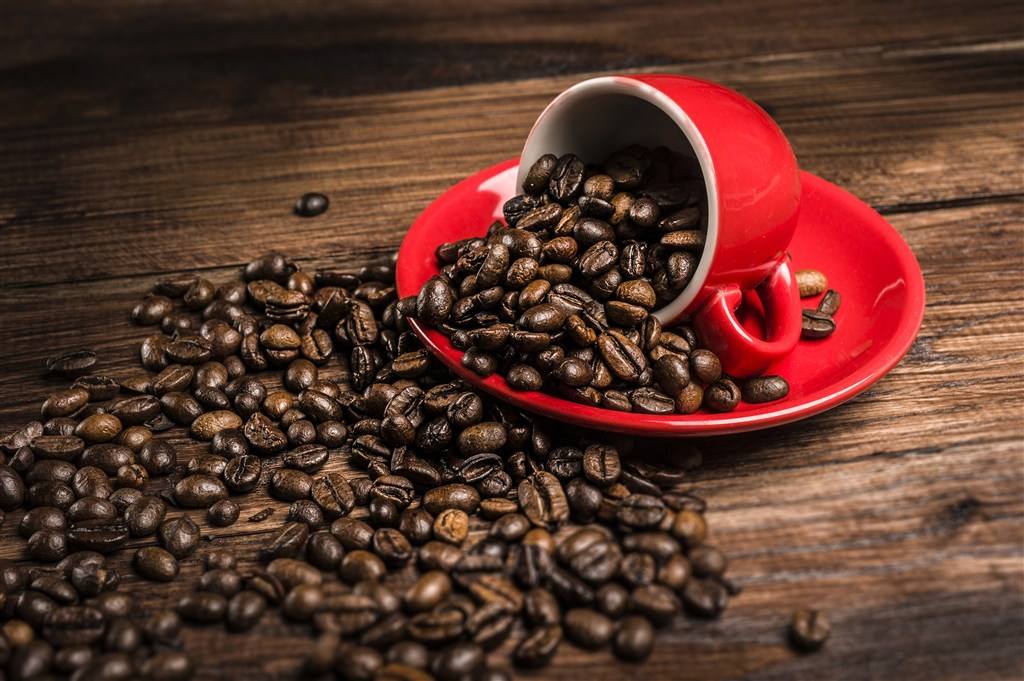
The characteristics of Bolivia, a brief introduction to Bolivian coffee
Following caf é (Wechat official account vdailycom) found that Beautiful Caf é opened a small shop rich in coffee beans in South America, and Bolivia is no exception. The unique rainforest environment in some parts of Bolivia provides excellent natural conditions for the growth of organic coffee. The aroma of Bolivian coffee is rich and unique, whether it is the aroma of ground beans or made.